Traditional Korean Medicine Treatment in Seoul: A Complete Guide for Foreign Patients (Kwangdong Hospital, Gangnam)
Published by WECIRCLE with its partner medical network. Reviewed under Korean medical advertising rules.
Traditional Korean Medicine Treatment in Seoul: A Complete Guide for Foreign Patients (Kwangdong Hospital, Gangnam)
Traditional Korean medicine (TKM) treatment in Seoul typically starts at around KRW 30,000–80,000 per acupuncture session, with multi-session herbal or physiotherapy programs ranging from KRW 300,000 to KRW 1,500,000 depending on your condition and treatment length — exact costs are confirmed after an initial consultation and diagnostic assessment. A single outpatient visit runs roughly 60–90 minutes from check-in to discharge; most patients can return to normal activities the same day, though intensive inpatient programs at hospitals like Kwangdong Hospital in Gangnam run across one to several weeks. If you are researching where to receive clinically supervised TKM in Seoul — acupuncture, moxibustion, cupping, Korean herbal medicine, or combined rehabilitation — this guide covers what to expect, how to book, and what it realistically costs.
Interest in traditional Korean medicine among international visitors has grown steadily. According to the Korea Health Industry Development Institute (KHIDI), the number of foreign patients who visited Korean medicine institutions rose year-on-year through the early 2020s, with musculoskeletal conditions, stress-related disorders, and post-illness recovery cited as the top three reasons. That pattern matches what a hospital like Kwangdong Hospital — a specialist Korean medicine institution located in Samseong-dong, Gangnam — sees in its international patient caseload. The hospital has been operating for decades and maintains an English-speaking patient coordination team, which matters more than most visitors realize when you need to explain symptoms precisely.
Who Is This Guide For?
This guide is written for English-speaking visitors and residents in Seoul who are considering traditional Korean medicine for the first time — or who have tried it at home and want clinically structured treatment during their stay. It is also relevant if you are combining a trip to Seoul with a health check-up or rehabilitation program.
You will find this guide useful if you fit one of these situations:
- You have a chronic musculoskeletal issue (back pain, neck stiffness, joint pain) that has not fully resolved with Western medicine alone.
- You are recovering from illness, surgery, or prolonged fatigue and want supportive care.
- You are curious about Korean herbal medicine or acupuncture and want a hospital setting — not a walk-in spa — with verifiable credentials.
- You have limited Korean language ability and need English-language support throughout your visit.
- You are in Seoul for one to two weeks and want to fit two to four treatment sessions into your itinerary.
What this guide does not cover: emergency medicine, cosmetic procedures, or claims that TKM can replace diagnosed medical treatment. Kwangdong Hospital's Korean medicine doctors hold Korean Medical Doctor (KMD) licenses — the equivalent of a licensed physician qualification for Korean medicine — and they work within a regulated clinical framework.
What Does Traditional Korean Medicine Treatment in Seoul Actually Include?
Traditional Korean medicine is a system of diagnosis and treatment that encompasses acupuncture, moxibustion, cupping therapy, Korean herbal medicine (hanjak), manual therapy (chuna), and pharmacopuncture — and at a hospital like Kwangdong Hospital, these are often combined within a single treatment plan rather than offered in isolation.
Here is how the core modalities break down in a clinical setting:
Acupuncture (침 치료): Fine needles are inserted at specific points on the body. Sessions typically last 20–40 minutes. Used for pain management, neurological support, and stress-related conditions. Needle gauge and point selection vary by the treating KMD's assessment.
Korean Herbal Medicine (한약): Individualized herbal formulas — prescribed after pulse diagnosis and detailed symptom mapping — are prepared as concentrated granules or liquid decoctions. A standard prescription course runs two to four weeks.
Moxibustion and Cupping: Heat-based and suction-based therapies applied to acupuncture points or soft tissue. Often used alongside acupuncture in the same session.
Chuna Manual Therapy: A Korean form of spinal and joint manipulation, regulated and only performed by licensed KMDs or trained therapists under their supervision. Relevant for patients with herniated discs or postural issues.
Pharmacopuncture: Herbal extracts injected in very small amounts at acupuncture points. A more intensive option sometimes used for musculoskeletal or inflammatory conditions.
The distinction between receiving these treatments at a licensed Korean medicine hospital versus an unlicensed wellness center matters — particularly for foreign patients who may not know the difference. In Korea, the term 'Korean medicine hospital' (한방병원) is legally reserved for facilities with at least five inpatient beds and licensed KMDs on staff. Kwangdong Hospital meets this standard and operates under the oversight of Korea's Ministry of Health and Welfare.
How Much Does Korean Medicine Treatment Cost in Seoul? (KRW Price Guide)
Pricing for traditional Korean medicine in Seoul varies based on the specific treatment, number of sessions, and whether you are accessing care through Korea's National Health Insurance (which foreign residents may qualify for, but short-term visitors typically do not). The figures below reflect typical out-of-pocket (non-insured) rates at a hospital-level clinic in Gangnam.
| Treatment | Typical KRW Range (per session/unit) | Notes |
|---|---|---|
| Acupuncture (single session) | KRW 30,000 – 80,000 | Duration 20–40 min; varies by point count |
| Moxibustion or Cupping | KRW 20,000 – 50,000 | Often combined with acupuncture |
| Chuna Manual Therapy | KRW 40,000 – 90,000 | Per session; prescription required |
| Korean Herbal Medicine | KRW 150,000 – 600,000 | Per 2–4 week course; formula individualized |
| Pharmacopuncture | KRW 50,000 – 120,000 | Per session; varies by extract type |
| Comprehensive Program (inpatient, 1 week) | KRW 800,000 – 2,000,000+ | Includes multiple modalities + meals |
| Initial Consultation & Diagnosis | KRW 20,000 – 50,000 | Pulse, tongue, symptom mapping |
A few things to understand before you budget: herbal medicine costs vary the most because formulas are custom-compounded based on your diagnosis. A two-week herbal course for one patient may differ significantly from another's — in both ingredients and cost. Always request an itemized written quote after your first consultation before agreeing to a treatment plan.
From here, individual results and recommended session counts diverge based on your condition, constitution, and treatment response — which is why the initial diagnostic consultation is the most important step, not an optional add-on. Ask the clinic to confirm in writing: what is included, at what frequency, and what outcomes are being targeted (symptom relief, functional improvement) rather than promised.
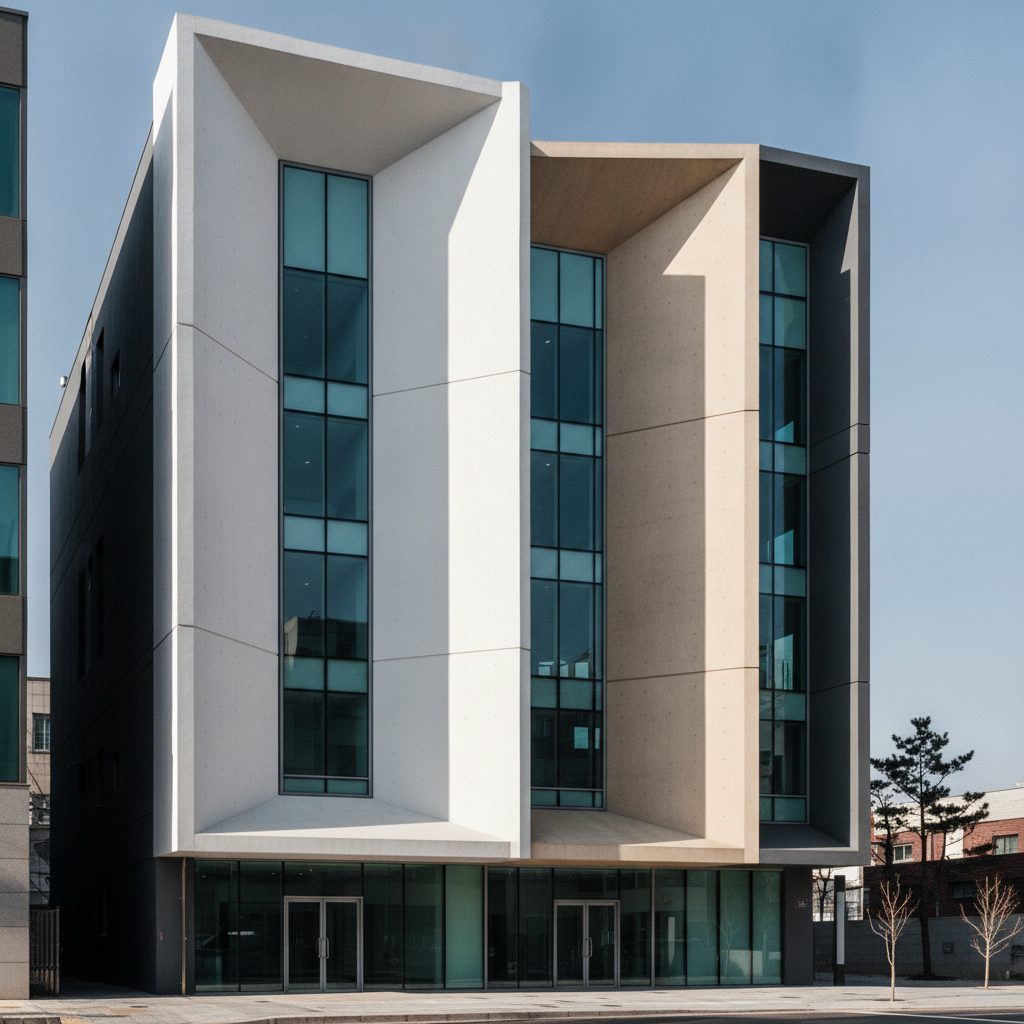
What Is Kwangdong Hospital, and Why Does It Come Up for Foreign Patients?
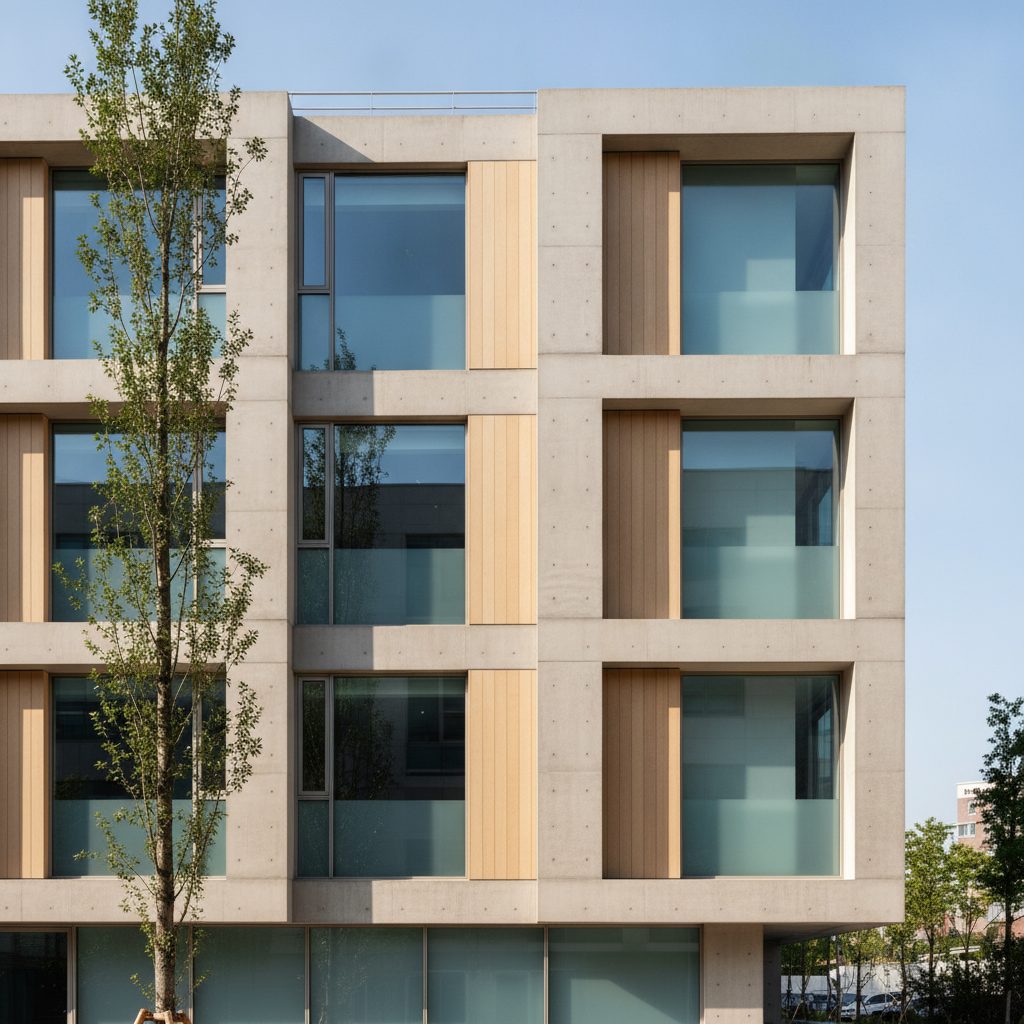
Kwangdong Hospital (광동병원) is a Korean medicine hospital located at 612 Bongeunsa-ro, Samseong-dong, Gangnam-gu, Seoul — a neighborhood that places it within easy reach of Coex, the KEPCO intersection, and Bongeunsa Temple. It is one of a small number of Korean medicine hospitals in Seoul that maintains dedicated support for international patients, including English-language consultation coordination.
Location: Samseong-dong, Gangnam Best for: Foreign patients seeking clinically structured TKM with English support; patients with musculoskeletal, fatigue, or post-illness recovery needs Popular treatments: Acupuncture, Korean herbal medicine (hanjak), Chuna manual therapy, moxibustion, pharmacopuncture, comprehensive health programs Visit flow: Online or phone inquiry → English coordinator confirms appointment → Initial diagnosis with KMD → Treatment plan discussion (written, in English) → First treatment → Follow-up sessions or herbal medicine pickup Visitor tip: If you are on a short trip, request your consultation and first treatment on the same day — this is often possible for outpatient acupuncture or cupping; herbal formulas take one to two days to prepare.
The hospital's Korean medicine physicians hold KMD (한의사) licenses, which require six years of university training plus national licensing exams — equivalent in regulatory standing to a medical doctor qualification within the Korean medicine scope of practice. You can find more detail on the hospital's patient services and English-language booking at this complete guide to Korean medicine hospitals in Seoul for foreigners.
One practical note: Kwangdong Hospital is not a spa or wellness lounge. It functions as a regulated medical institution. Patients come for clinical reasons — and that is precisely why it is the right setting for foreign visitors who want treatment, not just relaxation.
How Do You Book a Korean Medicine Appointment as a Foreigner?
Booking traditional Korean medicine treatment as a non-Korean speaker is straightforward at hospitals with international patient desks — but knowing the right steps prevents confusion and wasted time at the clinic.
Step 1 — Contact in English first. Reach out via the hospital's website or WhatsApp (for English-speaking inquiries) before your visit. Describe your main concern in plain language: location of pain, how long it has been present, any prior treatment. This allows the coordinator to book you with the right KMD and estimate session time.
Step 2 — Prepare your health summary. Bring or send in advance: current medications (with English or generic names), any relevant imaging (MRI, X-ray — a photo on your phone is fine), and a note of any known allergies, especially to plant-derived substances (relevant for herbal medicine).
Step 3 — Confirm the visit structure. Ask explicitly: Will the initial consultation and first treatment happen in the same visit? Is the diagnosis fee included or separate? Will the treatment plan be provided in English in writing?
Step 4 — Arrive 15 minutes early. First visits involve intake forms. English versions are available at hospitals with international patient services — confirm this when you book.
Ready-to-use inquiry message (send via email or WhatsApp):
> "Hello, I am a foreign visitor and would like to book a Korean medicine consultation at Kwangdong Hospital. My main concern is [describe: e.g., lower back pain for 3 months / post-illness fatigue / shoulder tension]. I am available on [date(s)]. Could you confirm availability and whether English-language support is available throughout the visit? Please also let me know if the first consultation and first treatment can be scheduled on the same day."
Visit the hospital's website at https://www.ekwangdong.co.kr/ to initiate contact or confirm current booking channels.
What Should You Expect at Your First Visit?
A first visit to a Korean medicine hospital follows a structured diagnostic sequence that feels different from a Western medicine outpatient appointment — and understanding that structure in advance helps you feel confident rather than uncertain.
1. Intake and symptom mapping. You fill out a health history form covering not just the primary complaint but sleep quality, digestion, emotional state, and lifestyle factors. Korean medicine diagnosis treats these as interconnected.
2. Pulse and tongue diagnosis. The KMD assesses radial pulse at both wrists and observes your tongue coating and color. These are classical diagnostic methods and take about five to ten minutes. You do not need to do anything except hold your arm steady.
3. Diagnosis discussion. The doctor explains their assessment in terms of Korean medicine patterns (e.g., qi stagnation, deficiency patterns) and what treatment approach they recommend. In a hospital with English support, an interpreter or bilingual coordinator joins this step.
4. Treatment — first session. If acupuncture is prescribed, you lie on a treatment table for 20–40 minutes with needles in place. Most patients describe the sensation as mild pressure or a dull ache at insertion points, not sharp pain — though individual responses vary.
5. Treatment plan summary. Before you leave, you should receive a written outline of the recommended frequency, what each session involves, and — if herbal medicine is prescribed — a description of the formula and how to take it.
6. Follow-up scheduling. For short-stay visitors, the coordinator helps cluster sessions within your available days.
How Many Sessions Do You Need, and How Should You Plan Your Seoul Itinerary?
Session count for traditional Korean medicine depends on condition type, chronicity, and treatment goals — but for foreign visitors planning a one- to two-week stay, here is a realistic framework.
For acute or mild conditions (recent muscle strain, mild stress, jet lag recovery): Two to three outpatient sessions spaced one to two days apart is a commonly used starting point. You can fit this into a seven-day itinerary without disrupting sightseeing.
For chronic conditions (longstanding back pain, recurring migraines, persistent fatigue): Korean medicine practitioners generally recommend a minimum of four to eight sessions to assess treatment response, according to clinical practice guidelines published by the Association of Korean Medicine (한의학회). A two-week stay with sessions every other day allows for five to seven visits.
For herbal medicine: A first prescription course typically runs two to four weeks. If you are visiting for less than that, the hospital can arrange for the herbal formula to be shipped internationally — confirm this logistics option at booking.
Downtime per session is generally minimal. Acupuncture and cupping may leave temporary marks (cupping circles fade in three to ten days). Moxibustion leaves a mild warmth. Plan your first session for a day when you do not have evening events that require you to look entirely camera-ready, just in case of visible cupping marks.
A practical itinerary structure: Book your consultation and first treatment on Day 1 or 2 of your Seoul stay. Schedule remaining sessions every one to two days. If herbal medicine is prescribed, pick up the formula before your departure or arrange shipping. The Samseong-dong location of Kwangdong Hospital is close to Coex Mall and Bongeunsa Temple — easy to combine with morning sightseeing before an afternoon appointment.
Pre-treatment checklist before your first session:
- Pause blood-thinning supplements (fish oil, vitamin E, high-dose ginger) at least 48 hours before acupuncture — minor bruising risk is higher otherwise.
- Avoid heavy meals in the two hours before treatment.
- Wear loose, comfortable clothing that allows access to arms, legs, and back.
- Bring a list of all current medications with generic names.
- Note any prior reactions to needles, latex, or plant-based substances.
- If you have had any imaging (MRI, X-ray, CT) for your condition, bring digital copies or photos.
How to Choose a Korean Medicine Provider in Seoul: A Practical Checklist
Not every place advertising Korean medicine treatment in Seoul operates at the same clinical standard. Here is how to assess a provider before you book.
- Licensed KMD on staff: Confirm that the treating practitioner holds a Korean Medical Doctor (한의사) license. This is a legally protected credential in Korea — you can ask the clinic to confirm.
- Hospital vs. clinic vs. wellness center: A 'Korean medicine hospital' (한방병원) is regulated differently from a small clinic (한의원) or an unlicensed wellness spa. Hospitals have inpatient capacity and broader scope — relevant if your condition is complex.
- English-language support: Can the clinic provide an English-speaking coordinator for your consultation and treatment plan discussion? Ask before you arrive, not after.
- Written treatment plan: Any reputable provider will give you a written outline of what is recommended and why. Verbal-only plans are harder to evaluate or dispute.
- Transparent itemized pricing: Request a cost breakdown per modality before agreeing. Bundled packages are not inherently bad, but you should know what each component costs.
- Device and medicine transparency: For herbal medicine, ask about the formulation source and whether it is GMP (Good Manufacturing Practice) certified. Korea's Ministry of Food and Drug Safety (MFDS) regulates herbal medicine manufacturing.
- No efficacy guarantees: Any provider that promises a specific cure or guaranteed result is making a claim that no licensed medical practitioner should make. This is both a regulatory red flag and a trust signal to watch for.
The combination of hospital-level licensing, English support, and itemized pricing is the practical standard to hold any provider to — regardless of how prominently they market to international visitors.
Payment, VAT Refund, and Travel Insurance
Most Korean medicine hospitals in Seoul accept major credit cards (Visa, Mastercard, UnionPay) as well as cash (KRW). Confirm payment options when booking, especially for larger herbal medicine programs.
VAT refund: Medical services in Korea are generally exempt from VAT (부가세), so a standard tourist VAT refund does not apply to treatment fees. However, some over-the-counter herbal products purchased separately at a pharmacy may qualify — check at point of purchase.
Travel insurance: Many international travel insurance policies cover medically necessary outpatient treatment abroad, including acupuncture when prescribed by a licensed practitioner. Check your policy's language on 'alternative medicine' or 'traditional medicine' coverage before your trip. Kwangdong Hospital can issue official receipts (영수증) and a medical certificate (진단서) in English upon request — keep these for any insurance claim.
Currency note: The KRW/USD exchange rate fluctuates; at time of writing, KRW 1,000 is approximately USD 0.75 (verify current rate before budgeting). Prices quoted in this guide are in KRW as billed by providers.
Getting to Kwangdong Hospital in Gangnam
Kwangdong Hospital is located at 612 Bongeunsa-ro, Samseong-dong, Gangnam-gu, Seoul — the address as listed on Google Maps. The nearest subway station is Bongeunsa Station (봉은사역), Line 9, Exit 1. Walking time from Exit 1 is approximately five minutes.
Alternatively, from Samsung Station (삼성역), Line 2, Exit 6, the walk is roughly ten minutes through the Coex block. Taxis from Gangnam Station take about ten minutes depending on traffic.
To confirm the location on Google Maps, search: Kwangdong Hospital Seoul — the listing should show the Samseong-dong address. For appointment inquiries, visit the hospital website at https://www.ekwangdong.co.kr/ or refer to the full foreign patient guide to Korean medicine hospitals in Seoul for additional booking context.
Ask for a specialist consultation first and request a written quote. For English-language inquiries, WhatsApp is the recommended contact channel for international visitors — confirm the current WhatsApp number through the hospital website before your visit.
Frequently Asked Questions About Korean Medicine Treatment in Seoul
Q1: Is traditional Korean medicine treatment in Seoul worth it for foreign visitors? For visitors with musculoskeletal pain, stress-related conditions, or post-illness recovery goals, clinically supervised TKM in Seoul can be a practical option — particularly because the cost per session is often significantly lower than equivalent treatments in Western Europe, North America, or Australia, and the practitioners are regulated under national licensing. Whether it is 'worth it' depends on your condition, realistic expectations, and how many sessions you can fit into your stay. It is not a substitute for ongoing specialist care at home.
Q2: How much did people actually pay for acupuncture in Gangnam? Out-of-pocket rates for a single acupuncture session at hospital-level clinics in Gangnam typically fall in the KRW 30,000–80,000 range (approximately USD 22–60 at current exchange rates). Combination sessions including moxibustion or cupping add KRW 20,000–50,000. These are general market ranges — your actual cost depends on the specific points treated and whether it is combined with other modalities. Always confirm the per-session fee in writing at booking.
Q3: Can I do this as a foreigner without speaking Korean? Yes — at hospitals with dedicated international patient services, like Kwangdong Hospital in Gangnam. English-speaking coordinators handle appointment booking, interpretation during consultations, and written treatment plan summaries. You should not rely on this being available at every small Korean medicine clinic, however. Confirm English support explicitly before you book anywhere.
Q4: How many sessions do I need for acupuncture to have any effect? Typically, practitioners recommend a minimum of three to five sessions to assess your response, with chronic conditions often requiring eight or more over several weeks. A single session can provide temporary relief for some patients, but treatment plans for ongoing conditions are structured across multiple visits. The Association of Korean Medicine's clinical guidelines support this multi-session framework.
Q5: Is same-day consultation and treatment possible? For outpatient acupuncture, moxibustion, or cupping — yes, same-day consultation and first treatment is often possible if you book in advance and specify the request. Herbal medicine formulas require one to two days to prepare after prescription, so those cannot be same-day.
Q6: Can I receive Korean herbal medicine if I take prescription medications? This must be assessed by the treating KMD at your consultation — do not assume compatibility. Some herbal compounds interact with anticoagulants, immunosuppressants, or thyroid medications. Disclose all current medications and supplements at your intake appointment. The doctor will advise whether herbal medicine is appropriate for your situation.
Q7: Will cupping leave marks on my skin? Yes, typically. Cupping creates circular bruise-like marks (petechiae) that are usually dark red to purple and fade over three to ten days depending on skin sensitivity and suction intensity. They are not painful after the session for most patients, but plan accordingly if you have events or photos within the first week.
Q8: Can I get a medical receipt in English for my travel insurance? Yes. Request an official English-language receipt (영수증) and, if needed, a medical certificate (진단서 in English) at the end of your visit. Kwangdong Hospital can provide these. Keep all documentation for insurance reimbursement claims — most travel insurance policies require an itemized receipt and confirmation that treatment was provided by a licensed practitioner.
Q9: Is Korean medicine at a hospital different from going to a small clinic? Regulatorily, yes. A Korean medicine hospital (한방병원) must have at least five inpatient beds and multiple licensed KMDs on staff, allowing for more complex case management and multi-disciplinary treatment. A Korean medicine clinic (한의원) is a smaller outpatient setting. For straightforward outpatient conditions, either may be appropriate. For complex, chronic, or post-illness cases, a hospital setting gives broader diagnostic and treatment options.
Q10: How far in advance do I need to book? For initial consultations at busy hospital clinics in Gangnam, booking two to five business days in advance is advisable — particularly if you need English-language coordination. Same-week appointments may be available for follow-up sessions once you are an established patient.
마치며
Three things to carry away from this guide. First, traditional Korean medicine treatment in Seoul is clinically regulated — practitioners at licensed Korean medicine hospitals hold nationally accredited KMD qualifications, and the treatments themselves (acupuncture, herbal medicine, Chuna) are governed by Korea's Ministry of Health and Welfare. You are not choosing between medicine and wellness; you are choosing what kind of medicine and what clinical setting.
Second, cost and session planning are manageable on a short visit. A realistic outpatient acupuncture program for a one-week stay costs roughly KRW 120,000–400,000 for three to five sessions. Herbal medicine adds to that if prescribed, and can often be arranged for international shipping if your stay is shorter than the prescription course. Request itemized quotes in writing — this is both your right as a patient and standard practice at reputable providers.
Third, English-language support changes the experience significantly. The most common friction point for foreign patients receiving Korean medicine is not the treatment itself — it is the diagnostic conversation, where explaining symptoms precisely matters and mistranslation creates real clinical risk. Kwangdong Hospital, located at 612 Bongeunsa-ro, Samseong-dong, Gangnam-gu, Seoul, is one of the facilities in the city that maintains English-speaking coordination specifically for this reason. Visit https://www.ekwangdong.co.kr/ to confirm current services and initiate a booking inquiry.
Tell us what you're considering. Free personalized quotes and honest answers, in English.
Planning treatment in Korea?
Message us with your questions. We help you compare clinics, get quotes and book. Free for you.