Korean Medicine Hospital in Seoul for Foreigners: Kwangdong Hospital, Gangnam Complete Guide
Published by WECIRCLE with its partner medical network. Reviewed under Korean medical advertising rules.
Korean Medicine Hospital in Seoul for Foreigners: Kwangdong Hospital, Gangnam Complete Guide
If you are searching for a Korean medicine hospital in Seoul that serves foreign patients, Kwangdong Hospital in Gangnam's Samseong-dong district is one of the few full-service institutions in the city offering traditional Korean medicine (TKM) alongside Western internal medicine under one roof, with English-language support at reception. A typical outpatient consultation at Kwangdong runs approximately KRW 10,000–30,000 (roughly USD 7–22) for the initial assessment; treatment courses — such as acupuncture, herbal medicine, or physical therapy — vary widely depending on diagnosis and session count, so final costs are confirmed in writing after your first exam. Most single-day visits wrap up within two to three hours including registration, consultation, and treatment. There is no multi-week waiting list for outpatient slots — same-week bookings are generally available.
A word on a common misconception first: many first-time visitors assume that 'Korean medicine' means only acupuncture needles and bitter teas. In practice, a licensed Korean medicine hospital like Kwangdong integrates manual therapy (chuna, a form of spinal manipulation), moxibustion, cupping, herbal prescriptions, and in some departments Western diagnostic imaging — so the scope is considerably broader than a neighbourhood acupuncture clinic. The distinction matters when you are planning a short stay in Seoul and want to address a specific condition, not just a wellness experience.
Who This Guide Is Written For
This guide is for foreign nationals — tourists, long-term expats, and medical travellers — who are considering traditional or integrative medicine treatment at a hospital-level facility in Seoul and want transparent, practical information before they book.
You might be in one of these situations: you have a chronic musculoskeletal complaint (back pain, cervicalgia, joint stiffness) that Western medicine has managed but not fully resolved, and you want to explore a Korean medicine approach during your time in Seoul. Or you are an expat living in Gangnam and need a conveniently located, English-assisted clinic for routine Korean medicine care. Or you are simply curious about Korean medicine as part of a wellness-focused trip and want a credible, hospital-grade setting rather than a street-level walk-in.
All three scenarios are realistic at Kwangdong Hospital. The case for each differs in session count, budget, and what you should prepare before arriving — and those differences are covered in the sections below.

What Kwangdong Hospital in Gangnam Actually Offers Foreign Patients
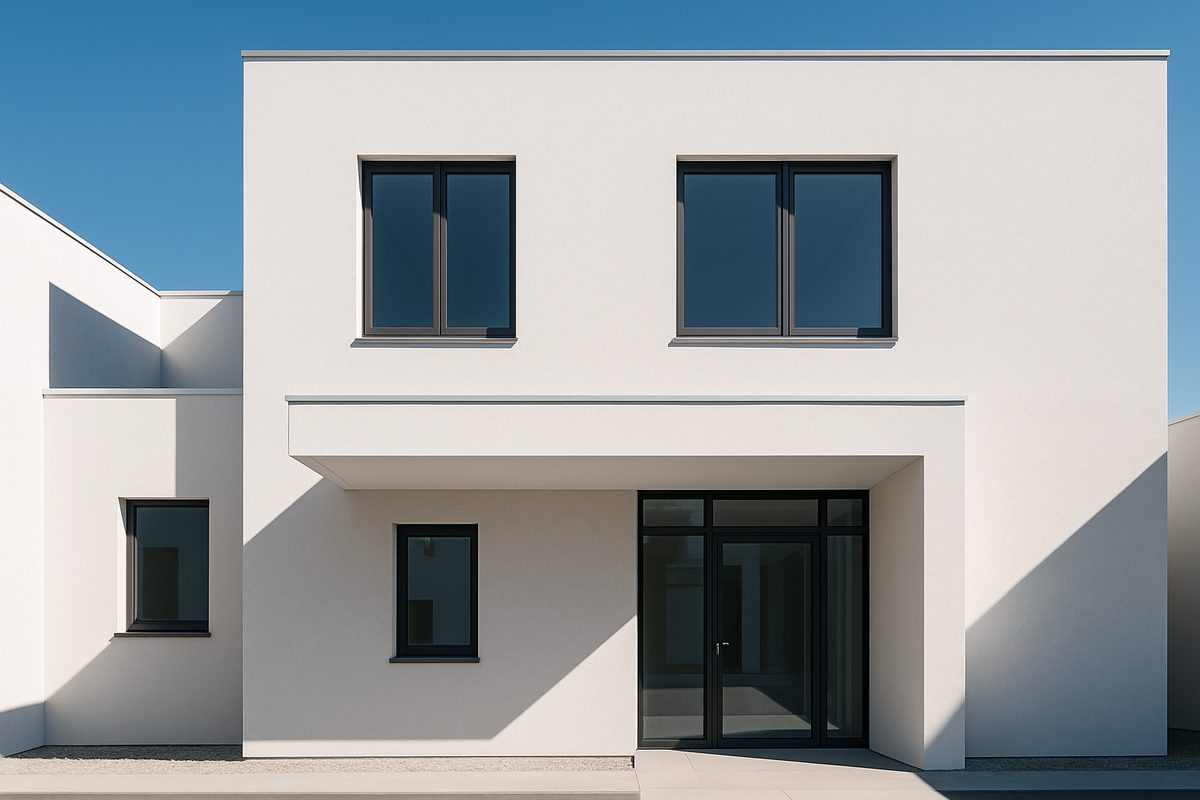
Kwangdong Hospital (광동병원) is a multi-department medical institution located at 612 Bongeunsa-ro, Samseong-dong, Gangnam-gu, Seoul. It operates licensed Korean medicine departments alongside Western medicine departments, which means diagnostic imaging (X-ray, in some cases MRI referral) can be used to inform a Korean medicine treatment plan — a setup that smaller clinics cannot provide.
For foreign patients, the practical highlights are: English-language assistance at reception (interpretation support is available; confirm the language you need when booking), itemized cost disclosure before treatment begins, and same-day or next-day appointment availability for most outpatient Korean medicine services.
Core Korean medicine services available to foreign patients include acupuncture (체침), moxibustion (뜸), cupping therapy (부항), chuna manual therapy (추나요법), and herbal medicine prescriptions (한약). Western medicine departments — including internal medicine and rehabilitation — are also on-site, which can be useful if your condition warrants a cross-specialty evaluation.
According to Korea's Health Insurance Review and Assessment Service (HIRA) 2023 data, outpatient Korean medicine visits in South Korea exceeded 80 million annually, making TKM one of the most-utilized healthcare systems in the country. That volume reflects a mature, regulated system — not a fringe alternative — which is relevant context when you are weighing credibility.
Price Guide: Typical KRW Ranges per Service
Below is a representative range table based on standard Korean medicine outpatient billing. Actual charges depend on your specific diagnosis, session length, and whether you are using Korean national health insurance (most foreign visitors pay out-of-pocket, which means the uninsured rate applies). Always request a written itemized quote at registration — this is standard practice at licensed hospitals.
| Service | Typical KRW Range (uninsured, per session) | Approx. USD |
|---|---|---|
| Initial consultation (Korean medicine physician) | KRW 10,000–30,000 | USD 7–22 |
| Acupuncture (체침, single session) | KRW 15,000–40,000 | USD 11–30 |
| Chuna manual therapy (추나요법) | KRW 20,000–60,000 | USD 15–44 |
| Moxibustion / cupping (session) | KRW 10,000–25,000 | USD 7–18 |
| Herbal medicine prescription (2-week course) | KRW 80,000–300,000+ | USD 58–220+ |
| Western medicine consultation (same visit) | KRW 10,000–25,000 | USD 7–18 |
Herbal medicine pricing varies the most — a short acute-care prescription differs significantly in cost from a customized three-month tonic formula. The physician will explain the rationale and cost before dispensing. If budget is a concern, say so during consultation; shorter herbal courses are often a practical starting point.
From here, exact figures depend on your individual diagnosis and treatment plan. The variables that shift the final number most are: (1) whether chuna therapy is indicated — it is the highest per-session cost among the physical treatments; (2) the length and complexity of any herbal prescription; and (3) whether Western medicine departments are involved in the same visit.
Three Patient Scenarios — and What to Expect in Each
Rather than generic service descriptions, it helps to think through what a visit actually looks like for different types of foreign patients. The scenarios below are generalized composites, not specific individuals.
Scenario A — The short-stay traveller with a recurring back problem. Imagine someone on a one-week business trip to Gangnam who has had lower back pain for months and has an opening on Wednesday afternoon. A realistic plan: one consultation to establish a diagnosis and baseline (day 1), one or two acupuncture plus chuna sessions on non-consecutive days (days 2–4), and a small herbal packet to take home. Total out-of-pocket cost in this scenario might range from KRW 80,000–200,000 depending on services rendered. Single-session results vary; most Korean medicine practitioners will be transparent that meaningful musculoskeletal outcomes typically require a course of treatment, not one session.
Scenario B — The Gangnam expat managing a chronic condition. Someone living in Seoul long-term has more flexibility: weekly or biweekly sessions over six to eight weeks are a common protocol for conditions like chronic cervicalgia or stress-related insomnia. Korean medicine physicians generally suggest re-evaluating after four to six sessions to assess response before committing to a longer course. This is the scenario where the integrative setup at Kwangdong — Korean medicine plus Western medicine in the same building — is most useful, since coordination between departments is easier than cross-referral between separate clinics.
Scenario C — The wellness-focused medical tourist. Some visitors come specifically for a 'health check plus Korean medicine' experience — a growing segment of Seoul's medical tourism market. According to the Korea Tourism Organization (KTO), the number of foreign medical tourists to South Korea reached approximately 600,000 in 2023, with traditional Korean medicine among the top five categories sought. For this group, a reasonable itinerary is: arrive Monday, consultation and initial treatment Tuesday, follow-up treatment Thursday, and departure with a herbal supplement package over the weekend.
| Scenario | Recommended Session Count | Typical Duration | Key Service | Budget Estimate (KRW) |
|---|---|---|---|---|
| Short-stay traveller | 2–3 sessions | 3–5 days | Acupuncture + Chuna | 80,000–200,000 |
| Long-term expat | 6–8 sessions over 6–8 weeks | Ongoing | Acupuncture + Herbal | 200,000–600,000+ |
| Medical tourist (wellness) | 2–4 sessions | 5–7 days | Full intake + Herbal | 150,000–400,000+ |

How to Book as a Foreign Patient — Step by Step
Booking a Korean medicine appointment at a Seoul hospital can feel opaque if you have not done it before. Here is the actual process at Kwangdong Hospital.
Step 1 — Contact the hospital. Reach out via the hospital's official website (https://www.ekwangdong.co.kr/) or by phone. When contacting in English, state clearly: your nationality, preferred language, the department you want (Korean medicine / 한의과), and your available dates. WhatsApp is the most accessible messenger for English-speaking patients if the hospital supports it — confirm at initial contact.
Ready-to-copy inquiry message (English): 'Hello, I am a foreign patient interested in booking a Korean medicine consultation at Kwangdong Hospital. I will be in Seoul from [DATE] to [DATE]. My main concern is [e.g. lower back pain / fatigue / digestive issues]. Could you please confirm appointment availability and whether English-language assistance is available? I would also like a written cost estimate before my visit. Thank you.'
Korean version (for reference or to copy-paste if needed): '안녕하세요, 저는 외국인 환자로 광동병원 한의과 진료 예약을 원합니다. [날짜]부터 [날짜]까지 서울에 있을 예정입니다. 주요 증상은 [예: 허리 통증 / 피로 / 소화 문제]입니다. 영어 통역 지원이 가능한지, 그리고 방문 전 서면 비용 안내를 받을 수 있는지 확인 부탁드립니다.'
Step 2 — Registration on arrival. Bring your passport (required for foreign patient registration), any relevant medical records or imaging from home (translated summaries help but are not mandatory), and a list of current medications. Registration typically takes 15–20 minutes.
Step 3 — Consultation and diagnosis. The Korean medicine physician will take a detailed intake — pulse diagnosis, tongue examination, medical history, and discussion of your chief complaint. This is the session where a treatment plan and cost estimate are established. Do not skip asking for the written quote before treatment begins.
Step 4 — Treatment. Most outpatient TKM treatments last 30–60 minutes per session. You can ask to observe the setup of any device or needle before it is used — this is a normal patient request.
Step 5 — Aftercare and follow-up. The physician will advise on dietary adjustments, activity modifications, and whether a follow-up session is recommended. If you are leaving Seoul soon, ask specifically about what you can continue or manage at home.
How to Choose a Korean Medicine Hospital in Seoul as a Foreigner
There are hundreds of Korean medicine clinics in Seoul, and a handful of hospital-level institutions. The distinction is more than semantic — a Korean medicine hospital (한방병원) operates under stricter licensing requirements than a Korean medicine clinic (한의원), including minimum department and staff standards set by the Ministry of Health and Welfare.
Use this checklist before committing to any facility:
- Is it licensed as a Korean medicine hospital (한방병원) or a general hospital with a Korean medicine department — not just a walk-in clinic?
- Does it have English-language support confirmed in advance, not just a note on the website?
- Will the physician provide a written treatment plan and cost estimate before treatment begins?
- Are Western diagnostic tools (X-ray, blood panel referral) available on-site if needed?
- Is the herbal medicine dispensed in-house and traceable (origin disclosure for imported ingredients)?
- Does the facility have experience treating foreign patients — can they provide a patient guide or FAQ in your language?
- Are practitioners licensed Korean medicine physicians (한의사), not unlicensed wellness practitioners?
Kwangdong Hospital meets the hospital-level licensing standard and is located in Gangnam, one of Seoul's most accessible districts for foreign visitors, particularly those staying near COEX, the InterContinental, or the Parnas Hotel corridor along Bongeunsa-ro.
What Happens at Your First Visit — A Numbered Walkthrough
Knowing exactly what to expect removes a significant barrier for first-time foreign patients. Here is how a standard first outpatient visit typically unfolds.
- Arrival and registration (15–20 min): Present your passport at the foreign patient desk or general reception. Complete a new patient form — a translated version in English should be available; ask if it is not offered automatically.
- Waiting and vital signs (5–10 min): Weight, blood pressure, and basic vitals are recorded. In some departments a brief Korean medicine questionnaire (body constitution type, sleep, digestion, stress levels) is completed here.
- Physician consultation (20–30 min): The Korean medicine physician reviews your intake form and conducts pulse and tongue diagnosis. This is also when you discuss your chief complaint in detail and ask about the proposed treatment plan.
- Written cost estimate: Before you leave the consultation room, ask for an itemized cost sheet. Most licensed hospitals provide this as standard; if there is any hesitation, it is a signal to ask again clearly.
- Treatment session (30–60 min): Acupuncture, chuna, moxibustion, or other indicated therapies are administered by the physician or a licensed practitioner under physician supervision.
- Herbal prescription (if indicated): If herbal medicine is recommended, the physician explains the formula rationale and the dispensary prepares it while you wait or arranges pickup/shipping.
- Checkout and follow-up scheduling: Payment is processed at the cashier. Follow-up appointment dates are booked at the desk or via the hospital's app/phone line.
Practical Travel Advice — Sessions, Downtime, and Itinerary Planning
Session spacing: For musculoskeletal conditions, Korean medicine physicians typically recommend sessions two to three times per week initially, then tapering to once a week as symptoms improve. For a one-week Seoul stay, two to three sessions is a realistic and manageable target. For wellness or stress-related concerns, one to two sessions spaced three to four days apart is common.
Downtime: Most outpatient Korean medicine treatments require no meaningful downtime. Acupuncture needles occasionally leave minor bruising at insertion sites (less common on the limbs than on areas with deeper musculature). Cupping therapy leaves temporary circular marks that fade in three to seven days — relevant to note if you have plans involving swimwear. Chuna therapy can produce mild muscle soreness the following day, similar to post-physiotherapy soreness.
Itinerary tip: Schedule your consultation and first treatment session as early in your Seoul stay as possible — ideally day one or two. This leaves room for a follow-up session before departure and time to assess how your body responds. Avoid booking your first session the day before a long flight, since some patients experience mild fatigue after an initial intensive session.
Pre-treatment preparation: Eat a light meal two to three hours before acupuncture (do not arrive fasted or overly full). Wear loose, comfortable clothing that allows access to arms, legs, and the lower back. Pause alcohol for 24 hours before and after treatment. If you take blood thinners or have a clotting disorder, disclose this during registration — it affects needle use and is a standard safety screen.
Payment and VAT: Most Korean hospitals accept major international credit cards (Visa, Mastercard). Cash (KRW) is always accepted. Foreign patients paying out-of-pocket are not eligible for the Korean national health insurance discount, but there is no surcharge for being a foreigner — you pay the standard uninsured outpatient rate. Medical expenses in Korea are not eligible for the tourist VAT refund scheme, so do not expect a refund at the airport on hospital bills.
Condition-Based Selection Guide — Which Department or Treatment Direction Fits Your Situation
This is where many foreign patients lose time by starting with the wrong service. A brief map by concern:
Musculoskeletal pain (back, neck, joints): Acupuncture combined with chuna manual therapy is the most commonly indicated route. X-ray imaging may be ordered first to rule out structural contraindications to chuna. If you have a recent MRI or imaging from home, bring it — it can save you an imaging fee.
Fatigue, sleep disturbance, or stress-related complaints: Acupuncture and herbal medicine are the primary tools. The physician will assess your constitution type (체질) and tailor the herbal formula accordingly. This is a slower-burn treatment category — meaningful improvement typically requires three to six weeks of consistent herbal intake, which means a prescription you take home is central to the plan.
Digestive issues (chronic bloating, IBS-type symptoms, appetite disturbance): Korean medicine has a well-developed diagnostic framework for digestive complaints — spleen-stomach 'qi' patterns, in TKM terminology. Both acupuncture and herbal medicine are used, sometimes alongside dietary counselling based on Korean medicine constitution principles.
General wellness or preventive check: If you have no specific complaint but want a Korean medicine health assessment, a constitution evaluation (사상체질 진단) is a useful starting point. It is essentially a diagnostic session that produces personalised lifestyle and dietary recommendations — without committing to a treatment course.
| Chief Concern | Primary Treatment Direction | Typical Session Count | Take-Home Component? |
|---|---|---|---|
| Musculoskeletal pain | Acupuncture + Chuna | 4–8 sessions | Optional topical/patches |
| Fatigue / sleep | Acupuncture + Herbal | 6–12 sessions | Herbal prescription (essential) |
| Digestive complaints | Acupuncture + Herbal | 4–8 sessions | Herbal prescription (likely) |
| Wellness / constitution | Constitution evaluation | 1–2 sessions | Dietary/lifestyle guide |
Consultation Preparation Checklist — Bring These, Know These
Before you go, run through this list. The more you prepare, the more productive your consultation time will be — and the less likely you are to need a return visit just to gather information the physician needed.
- Passport (mandatory for foreign patient registration)
- List of current medications and supplements (including brand names and dosages)
- Any relevant medical records, diagnoses, or imaging from your home country (even a written summary in English is useful)
- Your chief complaint written out in plain language — when it started, what makes it better or worse, what treatments you have tried
- Notes on your sleep pattern, digestive habits, stress levels, and energy (Korean medicine physicians ask about all of these)
- Approximate menstrual cycle information if applicable (relevant to hormone-related complaints)
- Your travel dates and planned departure — so the physician can design a realistic treatment plan for your timeline
- A budget range in mind — so you can have a frank conversation about what is feasible within your stay
One thing worth knowing before you walk in: the consultation is as much about your constitution and overall pattern as it is about your specific symptom. Korean medicine takes a whole-body diagnostic view, which means the physician may ask questions that seem unrelated to your chief complaint. This is intentional, not a distraction.
Getting to Kwangdong Hospital — Location and Directions
Kwangdong Hospital is located at 612 Bongeunsa-ro, Samseong-dong, Gangnam-gu, Seoul — the same broad corridor as COEX Mall and the Bongeunsa Temple, making it easy to combine with other Gangnam-area activities or accessible from hotels near the COEX district.
The nearest subway station is Samseong Station (Samsung역) on Seoul Metro Line 2 (the green line). Take Exit 6 and walk approximately five to eight minutes north along Bongeunsa-ro. The hospital building is clearly marked. Alternatively, Exit 5 is also walkable depending on your approach direction.
If you are coming from Myeongdong, Hongdae, or Itaewon, the most straightforward route is by subway to Samseong on Line 2 — typically 20 to 35 minutes from central Seoul districts. Taxi from Gangnam Station takes roughly five to ten minutes depending on traffic.
To confirm the location and get real-time directions, search 'Kwangdong Hospital' or '광동병원' on Google Maps or Naver Maps. The official hospital website for foreign patients and appointment enquiries is https://www.ekwangdong.co.kr/.
Ask for a specialist consultation first and request a written quote before any treatment begins. For English-language enquiries, reach out via the hospital website's contact page or call the main line — WhatsApp availability should be confirmed directly with the hospital at the time of booking.
FAQ — Questions Foreign Patients Actually Ask
Q1: Can I do Korean medicine treatment in Seoul as a foreigner without speaking Korean? Yes — Kwangdong Hospital provides English-language assistance at reception and has experience with foreign outpatients. Confirm your language preference when booking so appropriate support is arranged in advance. Bringing a written note of your chief complaint in English is always helpful as a backup.
Q2: Is Korean medicine in Seoul worth it for back pain? For musculoskeletal conditions like lower back pain, Korean medicine — particularly acupuncture and chuna — is widely used and regulated under the Korean national healthcare system. The World Health Organization (WHO) has listed acupuncture as an evidence-reviewed intervention for a range of musculoskeletal conditions in its Acupuncture: Review and Analysis of Reports on Controlled Clinical Trials (2002). Individual results vary and depend on diagnosis, condition severity, and treatment adherence. A realistic expectation for a short Seoul stay is symptom management and a take-home plan, not a complete resolution in one week.
Q3: How much did people actually pay for acupuncture in Gangnam? Typically, uninsured foreign patients pay KRW 15,000–40,000 per acupuncture session at hospital-level facilities in Gangnam. A full first-visit package (consultation + acupuncture + one additional modality) commonly runs KRW 40,000–80,000 total. Herbal medicine adds significantly to the overall cost if prescribed. These are typical ranges — your itemized quote will reflect your specific treatment plan.
Q4: Do I need health insurance to visit Kwangdong Hospital? No. Foreign visitors can access outpatient Korean medicine services as self-pay (uninsured) patients. You will pay the standard uninsured outpatient rate, which is higher than what Korean national insurance covers but is regulated and disclosed upfront. Some international travel insurance policies reimburse Korean medicine treatment — check your policy before your trip.
Q5: Can I get herbal medicine to take home after my visit? Yes, in most cases. Herbal prescriptions dispensed by a licensed Korean medicine hospital can generally be taken out of Korea in packaged form (granule or liquid packets are the most travel-friendly formats). Check your destination country's import rules for herbal products — some countries restrict certain botanical ingredients. Ask the dispensary for an ingredient list in English if you need it for customs.
Q6: How many sessions do I need, and how often? For musculoskeletal complaints, typically three to six sessions over two to three weeks is the minimum course for an initial assessment of response. For chronic or systemic conditions, a longer course of six to twelve sessions is common. For a single-week visit, two to three sessions on non-consecutive days is a realistic and safe plan.
Q7: Is same-day or walk-in treatment possible at Kwangdong Hospital? Same-day appointments are sometimes available, but it is not guaranteed — call ahead or contact via the website the morning of your intended visit. For foreign patients especially, advance booking is recommended so English-language support can be confirmed and any necessary paperwork prepared.
Q8: Are there any conditions where Korean medicine treatment is not recommended or contraindicated? Yes. Certain conditions require Western emergency or specialist care first — active infection, acute fracture, cancer under active treatment, severe clotting disorders, or pregnancy in some trimesters. The physician will screen for contraindications during the initial consultation. If you have a complex medical history, disclose it fully during registration so the physician can make an appropriate assessment. Korean medicine is not a replacement for emergency or time-sensitive Western medical care.
마치며
To bring this together: if you are a foreign patient looking for a Korean medicine hospital in Seoul with English-language support, Kwangdong Hospital in Gangnam's Samseong-dong is a hospital-level option — not a walk-in wellness shop — with a multi-department setup, transparent billing, and a location that is straightforward to reach from most central Seoul districts.
Three things are worth holding on to from this guide. First, budget and session count should be discussed explicitly before treatment begins — ask for a written itemized quote at registration, and plan your Seoul schedule so you have room for at least two to three sessions rather than one. Second, what you bring to the first consultation matters: a clear description of your chief complaint, a medication list, and any existing medical records will make the physician's assessment more accurate and your time more efficient. Third, Korean medicine at a licensed hospital operates within a regulated, evidence-referenced system — results vary by individual, condition, and treatment adherence, but the framework is not fringe. The Korea Tourism Organization (KTO) data showing over 600,000 medical tourists in 2023 with TKM in the top five categories sought reflects real, growing demand from internationally informed patients.
For appointment enquiries and further information, visit the official website at https://www.ekwangdong.co.kr/ — and when you contact the hospital, ask for a specialist consultation first and request a written quote before committing to any treatment plan.
Tell us what you're considering. Free personalized quotes and honest answers, in English.
Planning treatment in Korea?
Message us with your questions. We help you compare clinics, get quotes and book. Free for you.